

How to Build a Small, Versatile Suit Wardrobe | Men’s Style Guide by SUITBAE
How to Build a Small, Versatile Suit Wardrobe | Men’s Style Guide by SUITBAE
A useful suit wardrobe does not need to be large. A couple of well-chosen suits, shirts and accessories can cover many weddings, work events and formal occasions. Start with versatile colours, then add another suit only if it fills a genuine gap in your calendar.
This guide looks at how to build that core selection, style each suit for different occasions and get more use from the pieces you already own.
A simple starting point
Begin with a navy suit. Add charcoal if you regularly attend business or formal events. Consider a third suit only when you know what role it will fill—for example, a black suit for formal occasions or a distinctive colour for weddings and race days.

1. Start with a Navy Suit
Navy is a flexible first choice because it works for many weddings, business occasions and smart events. It can be styled formally with a white shirt and dark tie, or given a softer feel with a pale blue shirt or a more colourful accessory.
The Lawrence Navy Three-Piece Suit is one example of a year-round navy option. Its matching waistcoat gives you another way to wear the suit: keep it on with the trousers when the jacket comes off, where the dress code allows.


2. Add Charcoal if You Need a Second Suit
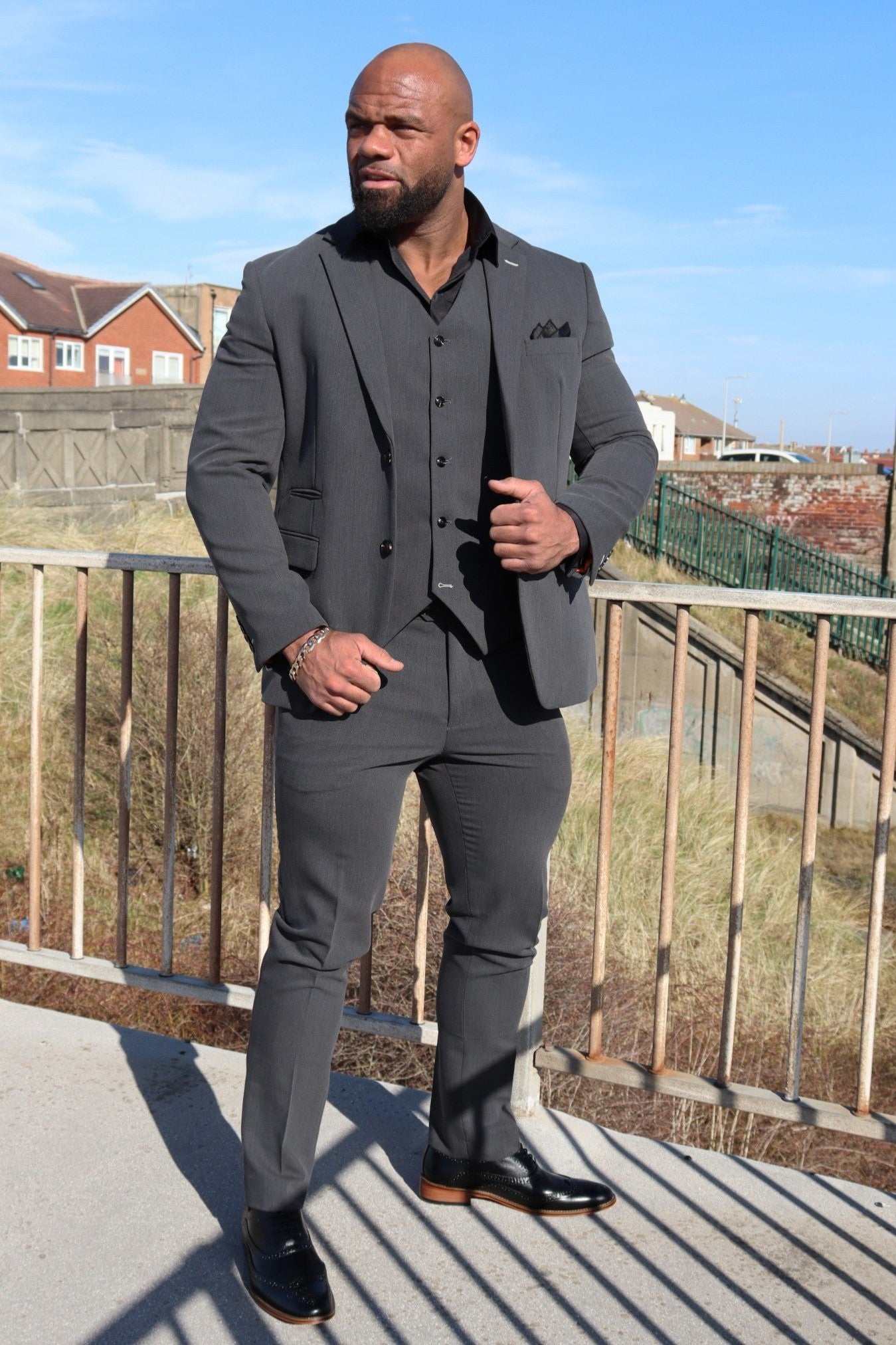
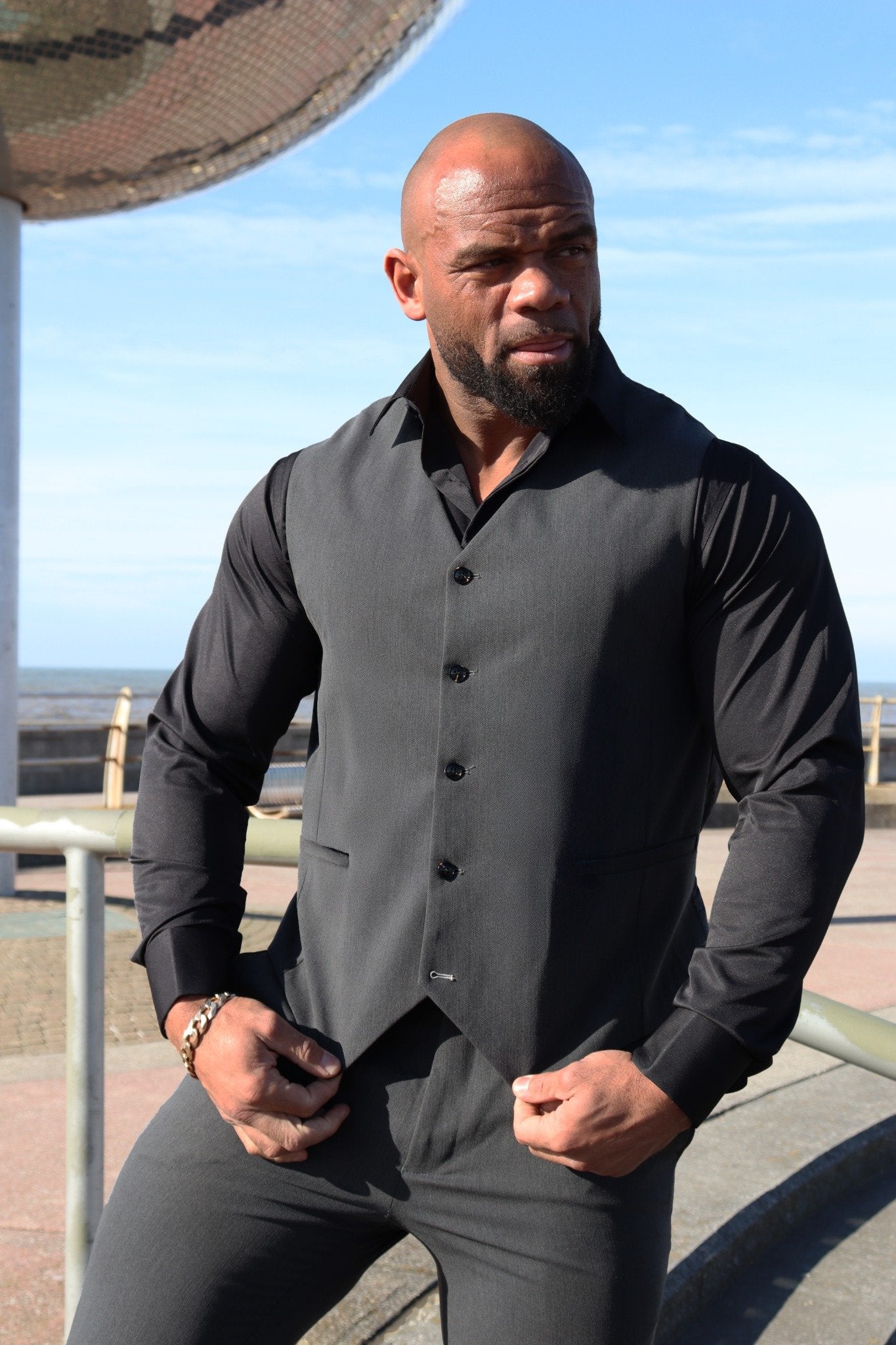
If you attend regular work events, interviews, formal dinners or weddings, charcoal can give you a useful alternative to navy. It has a more understated feel and works with white, pale blue and other simple shirt colours.
The Vincent Charcoal Three-Piece Suit is a medium-weight option with a smooth finish and subtle stretch. Choose black shoes and a crisp shirt for a formal outfit, or use a softer tie colour to make it feel less corporate.
3. Choose a Third Suit for Your Actual Calendar
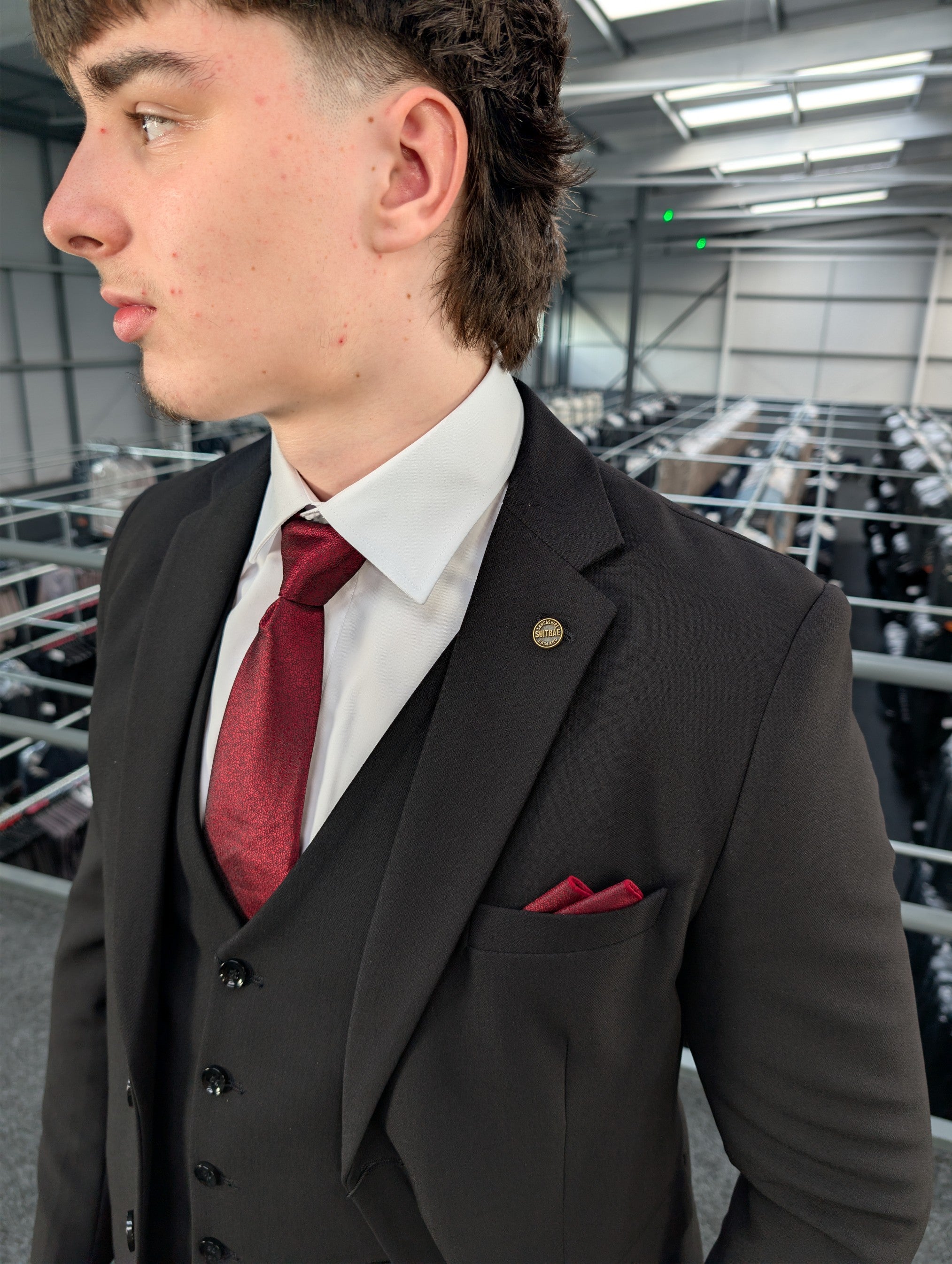
A third suit is optional. Choose it based on the occasions you attend most often, rather than buying another version of a suit you already own. If formal evening events feature often in your calendar, a black suit may be useful. For daytime celebrations, weddings or race days, you might prefer a lighter shade or a more distinctive style.
The Diablo Black Three-Piece Suit is one option for formal occasions. It has a classic black look with a matching waistcoat and trousers. For black tie, follow the dress code and choose a tuxedo where required.

Build the Rest of the Wardrobe Around Them
Once you have one or two suits, use shirts, ties and shoes to create variety. A small set of interchangeable pieces can change the feel of the same suit without needing another full outfit for every event.
- Shirts: Start with white and pale blue. Add another colour only if it works with the suits you own.
- Ties: Choose a few colours and textures that coordinate with both suits, rather than buying one tie for each outfit.
- Shoes: A clean black pair and a brown pair can cover many smart occasions. Match the shoe formality to the event.
- Belts: If you wear one, coordinate its colour with your shoes.
- Pocket squares: A plain white square is easy to reuse; a coloured option can add a little personality.
Make Each Suit Work Harder
Change the shirt and tie to shift the outfit between occasions. Navy with a white shirt and understated tie can work for business; swap in a softer shirt or a more expressive accessory for a wedding or celebration. Charcoal can move from work to an evening event with a change of shirt and shoes.
A three-piece suit also gives you the option to wear the waistcoat with matching trousers when you remove the jacket, if the setting allows it. This adds another way to wear the suit while keeping the outfit coordinated.
How Many Suits Do You Need?
There is no fixed number. If you only attend a few formal occasions each year, one well-fitting, versatile suit may be enough to start. If you need suits for work as well as events, a second colour can help you rotate outfits. Add a third only when it serves a specific purpose in your wardrobe.
Before buying, consider the dress codes you encounter, the seasons you wear suits and whether your existing accessories work with the new colour. A useful wardrobe is built around what you actually wear.
A Small Suit Wardrobe Checklist
- Start with a versatile colour that suits your most common occasions.
- Add a second suit only if it gives you a useful alternative.
- Choose a third suit for a specific need, such as formal evenings or seasonal events.
- Check that your shirts, ties and shoes work with more than one suit.
- Prioritise fit and comfort over adding more options.
- Try the full outfit together before the event.
Final Thoughts
A small suit wardrobe can cover a lot of occasions when each piece has a clear role. Navy makes a flexible starting point, charcoal adds another dark neutral, and a third suit can address a specific need in your calendar.
Choose suits you can style with the shirts and accessories you already own. Explore the SUITBAE three-piece suit collection to find an option that fits your wardrobe and the occasions ahead.
Suit Wardrobe FAQs
What is the most versatile first suit colour?
Navy is a useful starting point for many wardrobes because it can work across weddings, business events and other smart occasions. Consider your dress codes and personal style when choosing your first suit.
How many suits should a man own?
It depends on how often you wear suits and for what occasions. One well-fitting suit can be enough for occasional events; a second gives you a useful alternative for regular work or formal wear.
Is a black suit a wardrobe essential?
Not for everyone. A black suit can be useful for formal occasions, but navy and charcoal may be easier to wear across a wider range of settings. For black tie, check whether the dress code calls for a tuxedo.
Should my suits all be the same style?
No. A simple wardrobe can include different colours, fabrics or details, as long as each suit fits your needs and works with some of your existing shirts and accessories.
Can I wear the same suit to different occasions?
Yes. Change your shirt, tie, shoes and pocket square to adjust the outfit for different events. Always follow the dress code and make sure the suit is clean and pressed.
What should I check before buying another suit?
Think about the occasions you need it for, which colours you already own and whether your current shirts and accessories will work with it. A new suit is most useful when it adds a clear option to your wardrobe.