

From Prom to Professional: Restyling Your Suit | A SUITBAE Guide
From Prom to Professional: Restyling Your Suit | A SUITBAE Guide
Your school prom might have been the first time you invested in a proper three-piece suit. You chose the colour, the shirt, the tie and all the finishing details to create an outfit that felt right for one memorable occasion. But what happens to that suit once prom is over?
Before putting it away for good, consider giving it another lease of life. With a few carefully chosen changes, the suit you wore to prom could become a smart option for university interviews, internship applications, placement opportunities and the first steps into professional life.
The key is understanding how to style it differently. You don't necessarily need an entirely new suit; sometimes a classic shirt, a more understated tie and polished accessories are enough to give your existing outfit a more mature, professional feel.
The simple rule for restyling your prom suit
Keep the complete three-piece suit, but rethink the details. Swap bold prom accessories for classic corporate colours, choose a clean shirt, add polished shoes and make sure the complete outfit feels appropriate for the interview or opportunity ahead.
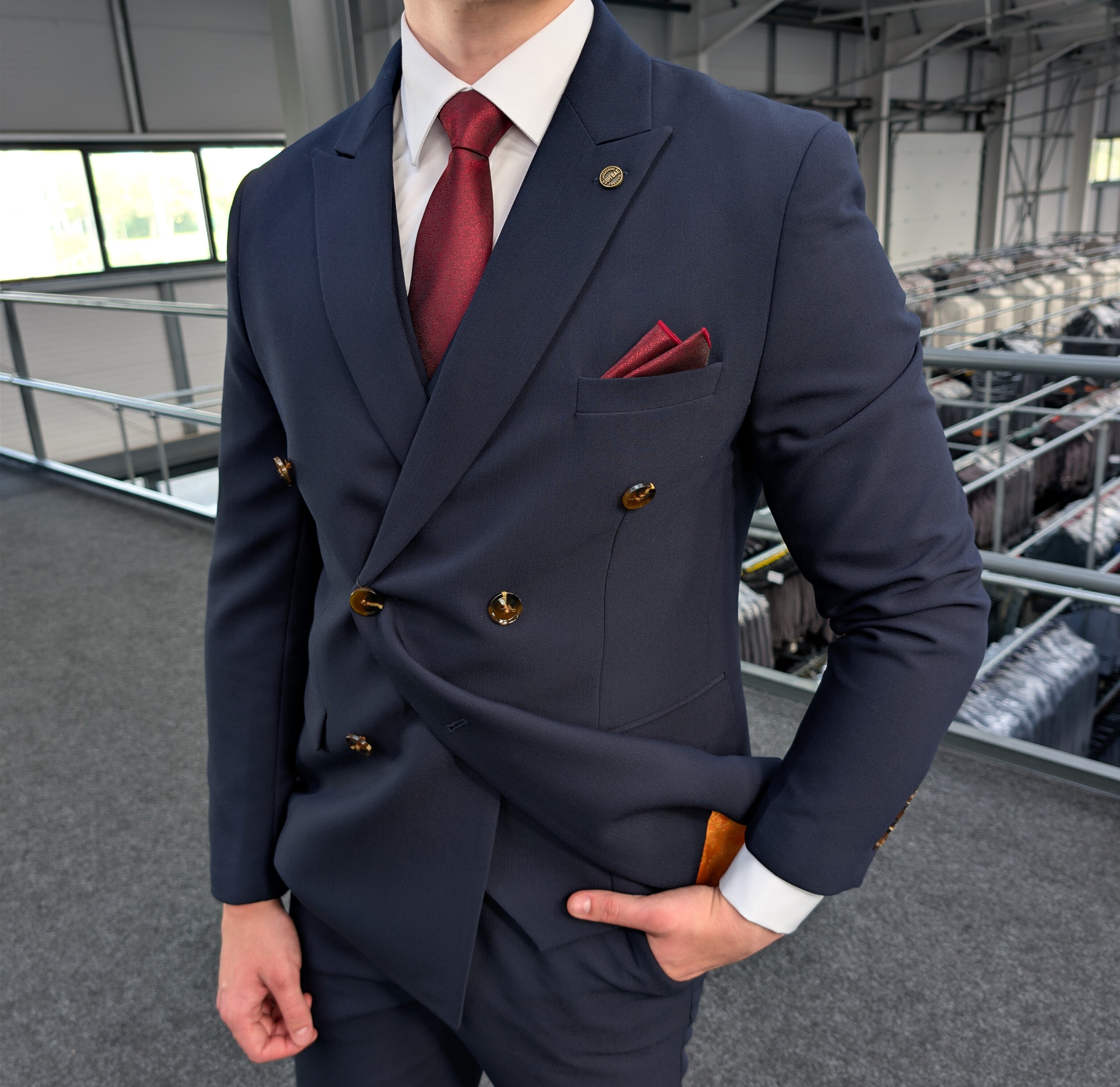
1. Your Prom Suit Doesn't Have to Stay in the Wardrobe
Buying a suit for prom can feel like a big investment, particularly if it was your first proper three-piece. You probably spent time finding the right fit, choosing a colour you liked and putting together an outfit that felt special. Once the event has passed, it can be tempting to think that the suit has served its purpose.
However, a good suit can work for considerably more than one occasion. As you move towards university, internships, placements and graduate opportunities, it may become one of the most useful pieces in your wardrobe.
University interviews and professional introductions are good examples. You want to look smart, prepared and confident without appearing as though you've simply repeated your prom outfit. Changing the way you style the suit can make a noticeable difference.
Think about the difference between the two occasions. At prom, you might have chosen a statement shirt, a brighter tie, a patterned pocket square or accessories designed to stand out. For an interview, the emphasis usually shifts towards a cleaner, more restrained combination.
The suit itself can remain the same. It's the styling around it that helps it feel right for a different stage of your life.
2. Start with the Suit You Already Own
Before changing anything, take a proper look at the suit. Consider its colour, pattern, fabric and fit. Some prom suits will transition into professional settings more naturally than others, but many can be styled in a more understated way.
Navy: Navy is one of the most versatile colours in men's tailoring. It works well with white and pale blue shirts, and can be paired with a range of traditional tie colours. If your prom suit is navy, you already have a strong foundation for interviews and internships.
Charcoal and grey: Darker grey shades are another dependable option. They create a professional appearance and are straightforward to coordinate with classic shirts, ties and leather shoes. Lighter grey can also work well, provided the overall combination is appropriate for the organisation and occasion.
Black: A black suit can create a smart, formal look, although it may feel more formal than necessary for some university or workplace settings. Consider the dress expectations before choosing it for an interview.
Checks and patterns: A checked suit doesn't automatically need to be reserved for social occasions. The scale and contrast of the pattern matter. A subtle check can work well with a plain shirt and simple tie, while a particularly bold pattern may be less suitable for a conservative professional environment.
Also consider the condition of the suit. Check for loose buttons, marks, creases and any signs of wear. A suit that has been stored carefully and still fits properly is much easier to bring back into regular use.
3. Swap the Prom Shirt for a shirt that fits
A mistake people often make is forgetting about the shirt. A few months after the prom, the original shirt may be too small. Below is a small guide on what to focus on, for the next shirt.
A crisp white shirt is the most dependable starting point. It works with almost every suit colour, provides a clean contrast and allows the tailoring to remain the main feature of the outfit.
Pale blue is another excellent option. It adds a little colour without making the combination feel too bold, particularly when worn with navy, charcoal or grey tailoring.
When choosing a professional shirt, pay attention to the details:
- Keep the colour simple: white and pale blue are reliable choices for most interview settings.
- Choose a neat collar: make sure it sits properly beneath your jacket and works with the tie you intend to wear.
- Check the fit: the shirt should sit comfortably beneath your waistcoat without excessive fabric gathering.
- Look after presentation: make sure the shirt is clean, pressed and free from noticeable creases.
- Consider the cuffs: choose a cuff style that suits the formality of the occasion and the rest of your outfit.
A plain shirt creates a more restrained foundation, particularly if your prom suit already has a noticeable pattern or contrast detail. It helps the complete outfit look coordinated rather than overly busy.
4. Choose a More Professional Tie
Your prom tie may have been chosen to complement a particular colour scheme or make the outfit stand out. For a professional setting, it is worth considering a different style.
A classic tie in navy, burgundy, charcoal or a similarly understated shade can make the suit feel more mature. You don't have to avoid every pattern, either. A subtle stripe, small repeat design or understated texture can add interest without dominating the outfit.
When choosing your tie, consider the suit and shirt together. A navy tie can work particularly well with a pale blue or white shirt, while burgundy can add a little warmth to navy and charcoal tailoring.
Keep these points in mind:
- Choose restrained colours: navy, burgundy, charcoal and muted tones are useful starting points.
- Avoid novelty designs: save humorous or attention-grabbing ties for more relaxed occasions.
- Keep patterns subtle: a small pattern or simple stripe can work well with a plain shirt.
- Get the length right: the tip of the tie should generally reach around the top of your belt buckle.
- Keep the knot neat: make sure it is properly tied and sits comfortably against the collar.
If your prom suit has a strong check or another noticeable pattern, a plain tie is often the easiest way to keep everything balanced.
5. Change the Accessories: Small Details, Big Difference
Accessories can have a surprisingly big influence on how a suit looks. For prom, you might have chosen a statement pocket square, bright cufflinks or accessories designed to match the event. For professional occasions, a more restrained approach usually works better.
Start with your shoes. A clean pair of black or dark brown leather shoes can help make the outfit feel more polished. The best colour will depend on the suit, but black is a particularly straightforward option with black, charcoal and many navy combinations.
If you wear a belt, keep it simple and coordinate it with your shoes. A plain leather design is generally more versatile than something with a large or decorative buckle.
A watch can provide a practical finishing touch. Choose something understated that complements the rest of your outfit rather than competing with it.
A pocket square is optional. If you decide to wear one, a simple white design is a classic choice. Avoid trying to match every accessory exactly; a coordinated outfit usually looks more natural than one where every detail has been deliberately matched.
6. Make Sure the Three-Piece Suit Still Fits Properly
Changing your shirt and accessories can make a big difference, but the fit of the suit remains just as important. A professional outfit should look comfortable, balanced and well put together.
Start with the jacket. The shoulders should sit naturally, the sleeves should finish at an appropriate length and the jacket should fasten without pulling noticeably across the front.
Your waistcoat should sit neatly beneath the jacket. It should be comfortable when standing and sitting, without excessive fabric bunching around the waist or chest. Keep the bottom button of the waistcoat undone, following the traditional styling convention.
Pay attention to the trousers as well. They should sit comfortably at the waist, fall cleanly over your shoes and avoid excessive bunching around the ankles.
If your body shape has changed since prom, don't assume the suit is no longer suitable. A tailor may be able to make adjustments that improve the fit and help you get more wear from it.
7. Three SUITBAE Three-Piece Looks to Consider
If you're looking for inspiration for a professional three-piece outfit, these SUITBAE styles offer three different approaches. Each can be paired with classic shirts, understated ties and polished shoes to create a more considered look.


8. Adapt Your Outfit to the Opportunity
Not every professional occasion has the same dress expectations. A university interview, a placement assessment, an internship interview and a first day in an office may call for slightly different approaches.
Before deciding what to wear, consider the organisation and the setting. Some workplaces have a traditional dress code, while others take a more relaxed approach. If you're unsure, it is usually sensible to aim for a smart, well-presented outfit rather than something overly casual.
For an interview, a classic shirt, a restrained tie and polished shoes are a reliable combination. For a workplace where the dress code is less formal, you may have more room to introduce subtle personal details while keeping the three-piece suit looking coordinated.
The waistcoat remains part of the outfit. Wearing the complete three-piece suit gives the look a deliberate, finished appearance, provided the setting is appropriate for that level of formality.
If you have been given specific dress guidance, follow it. Your outfit should help you feel prepared for the occasion rather than distract you from it.
9. What to Avoid When Restyling Your Prom Suit
The aim is not to remove all personality from your outfit. It is to make sure the details work together and suit the occasion. A few common mistakes can make the transition from prom styling to professional dressing more difficult than it needs to be.
- Too many statement details: avoid combining a bold shirt, bright tie, patterned pocket square and eye-catching accessories all at once.
- Overly casual footwear: trainers and casual shoes may not be suitable for a formal interview or traditional workplace.
- An unsuitable fit: a suit that pulls, hangs awkwardly or bunches excessively can undermine an otherwise smart outfit.
- Neglecting the waistcoat: remember that the waistcoat is an integral part of your three-piece suit. Make sure it fits neatly and is styled consistently with the jacket and trousers.
- Ignoring the dress code: consider the organisation and occasion before deciding how formal or relaxed your outfit should be.
- Wearing creased or poorly maintained clothing: clean, pressed and well-kept clothing makes a noticeable difference.
Keep the overall combination balanced. A classic shirt, a suitable tie and well-maintained shoes can transform the impression your existing suit creates.
10. Prepare Your Suit Before the Big Day
Don't leave everything until the morning of your interview or first day. Give yourself enough time to check the suit, try on the complete outfit and make any changes that might be needed.
Hang the jacket, waistcoat and trousers properly and check that they are clean and ready to wear. If the suit needs pressing or professional cleaning, arrange it in advance.
Try the full outfit together, including your shirt, tie, belt, shoes and accessories. This gives you the chance to check the proportions and make sure everything works as a complete look.
If the suit needs alterations, speak to a tailor in good time. Small adjustments can make a difference to comfort and presentation, especially if you haven't worn the suit since prom.
Finally, prepare your shoes and accessories the night before. A little organisation can make getting ready easier and help you arrive feeling more composed.
Your Prom-to-Professional Checklist
- Keep the complete three-piece suit together: jacket, waistcoat and trousers.
- Check that the suit still fits comfortably and sits neatly.
- Choose a clean white or pale blue shirt.
- Select a classic tie in a restrained colour or subtle pattern.
- Wear polished shoes that complement the suit.
- Keep your belt, watch and pocket square understated.
- Check the organisation's dress expectations.
- Press or clean the suit before the occasion.
- Try on the complete outfit in advance.
Final Thoughts
Your prom suit doesn't have to be a one-occasion purchase. With thoughtful styling, the same three-piece outfit can become a useful part of your wardrobe as you move into university, internships, placements and professional opportunities.
Start with what you already own. Keep the jacket, waistcoat and trousers together, choose a classic shirt, introduce a more understated tie and finish with polished shoes and simple accessories. Make sure the fit is right and the complete outfit reflects the occasion.
Sometimes, the smartest next step isn't buying an entirely new suit. It's learning how to make better use of the one already hanging in your wardrobe.
Prom-to-Professional FAQs
Can I wear my prom suit to a university interview?
Yes, provided the suit is in good condition, fits properly and is appropriate for the interview. A classic shirt, understated tie and polished shoes can help give your prom suit a more professional appearance.
Should I still wear the waistcoat?
If you're restyling a three-piece suit, keep the waistcoat as part of the complete outfit. Make sure it fits neatly beneath the jacket and coordinates with the rest of the suit. Consider the formality of the occasion when deciding whether a three-piece suit is appropriate.
What shirt should I wear with a prom suit for an interview?
A crisp white shirt is a dependable option, while pale blue offers a subtle alternative. Both work well with many navy, grey and charcoal suits and help create a clean, professional combination.
Can I wear a checked suit in a professional setting?
A checked suit can work in many professional settings. The scale and contrast of the pattern are worth considering. Pair it with a plain shirt and a simple tie, particularly if the organisation has a more conservative dress code.
What accessories make a three-piece suit look more professional?
Polished leather shoes, a simple belt, an understated watch and a classic pocket square can all work well. Keep the colours coordinated and avoid using too many statement accessories at once.