

Dressing for Court and High-Stakes Occasions | SUITBAE Style Guide
Dressing for Court and High-Stakes Occasions | SUITBAE Style Guide
Some occasions call for more thought than your usual outfit. Whether you're attending court, speaking to the press, representing your business at an important meeting or facing a situation where you know people will be paying attention, what you wear should feel appropriate, considered and comfortable.
For these moments, understated tailoring is often the strongest approach. A dark suit, a clean shirt and carefully chosen accessories create a composed appearance without relying on bold patterns or unnecessary details. This guide looks at how to choose the right suit and put together an outfit that feels dignified, professional and appropriate when the pressure is on.
The simple rule for high-stakes dressing
Keep the outfit understated, well-presented and comfortable. Choose dark, traditional tailoring, a plain shirt and restrained accessories. The aim isn't to make a statement with your clothing; it's to look prepared, respectful and at ease in what you're wearing.
1. Why Your Appearance Matters in High-Stakes Situations
When you're attending an important or serious occasion, your clothing is only one part of the picture, but it is something you can prepare in advance. Choosing an appropriate outfit removes one unnecessary distraction and helps you feel ready for the day ahead.
There is a difference between dressing to attract attention and dressing to show respect for the setting. In a courtroom, at a press-facing event or during an important professional meeting, a clean and considered outfit is generally more appropriate than something overly casual or fashion-led.
That doesn't mean you need an expensive wardrobe or an elaborate outfit. A straightforward dark suit, a well-presented shirt and smart shoes can provide everything you need. The important thing is that the clothes are suitable for the occasion and that you feel comfortable wearing them.
It's also worth remembering that clothing cannot determine the outcome of a legal matter, guarantee a particular response from an audience or replace preparation. Think of it as one practical detail you can get right before focusing on what really matters.
2. Why Understated Tailoring Is the Right Approach
For serious occasions, traditional tailoring offers a reliable starting point. Clean lines, darker colours and simple styling create an outfit that feels considered without appearing as though you've tried too hard.
A heavily patterned suit, bright colour or statement accessory might be appropriate for a wedding or a social event, but it can feel distracting in a more formal or sensitive setting. Understated tailoring keeps the focus on the occasion rather than the clothes.
A three-piece suit is particularly useful when you want a complete, coordinated appearance. The jacket, waistcoat and trousers create a structured outfit, while the waistcoat gives you another layer if you remove your jacket later.
When choosing a suit for a high-stakes occasion, look for:
- Traditional colours: navy, charcoal and black are dependable choices.
- Simple detailing: avoid anything too decorative or visually distracting.
- A coordinated finish: matching jacket, waistcoat and trousers create a consistent appearance.
- Comfortable tailoring: choose something that allows you to sit, stand and move naturally.
- Good presentation: clean, pressed clothing makes a difference to the overall outfit.
The best choice is often the suit that doesn't need much explaining. It should look appropriate as soon as you put it on, leaving you free to concentrate on the reason you're there.
3. Choosing the Right Dark Suit
Dark tailoring is a natural choice for occasions where you want to keep your appearance formal and restrained. However, black, navy and charcoal each create a slightly different look. The right option depends on the setting, the time of day and your personal preference.
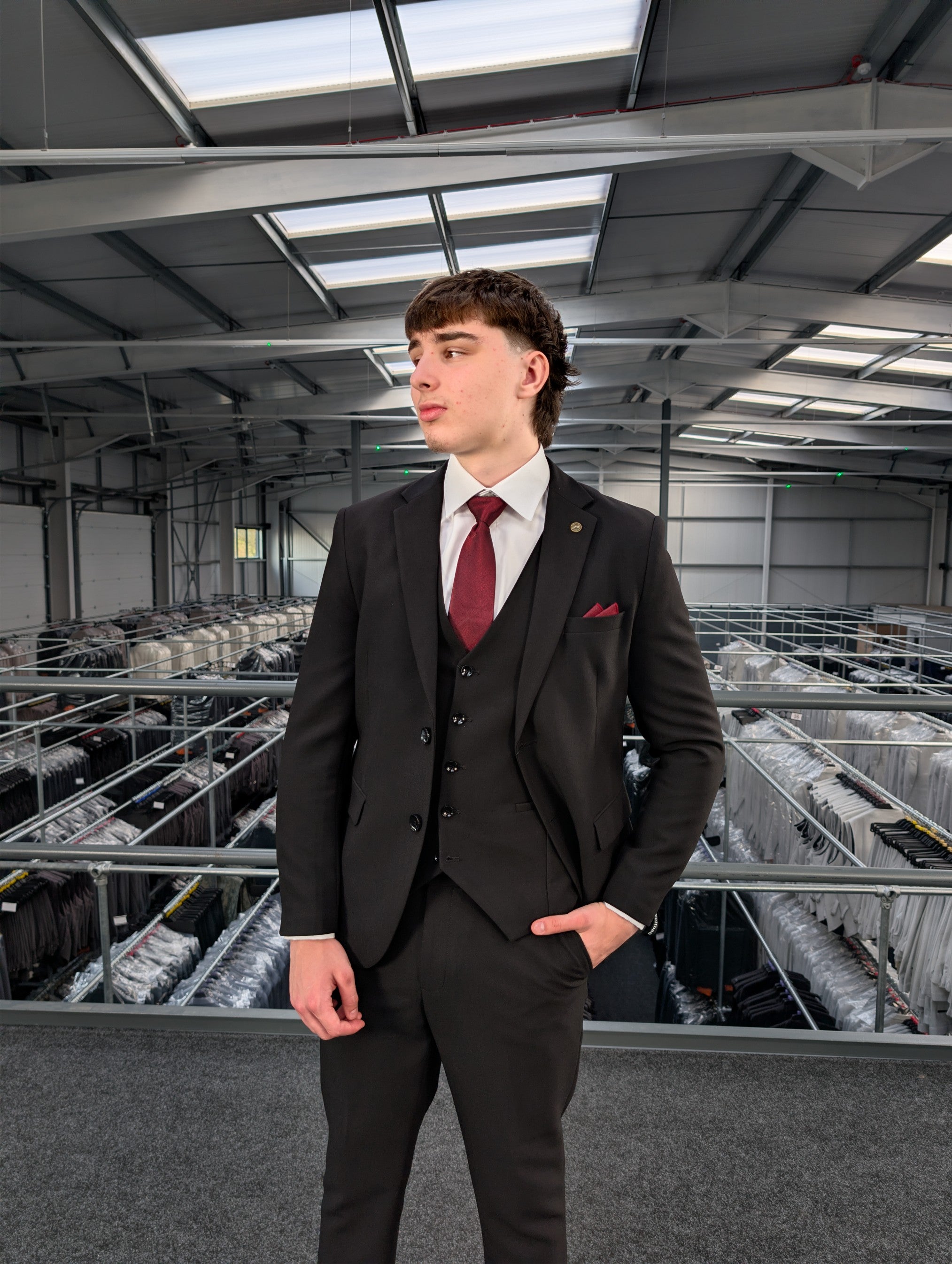
Black: A black suit offers a particularly formal, straightforward appearance. It is a traditional choice for occasions where you want to keep colour and detailing to a minimum. Pair it with a crisp white shirt and restrained accessories for a clean finish.
Navy: Navy is a versatile alternative to black. It remains smart and traditional while offering a little more depth in colour. A plain white or pale blue shirt works well, and a simple dark tie keeps the overall combination understated.
Charcoal: Charcoal sits between black and grey, making it a strong option for a range of professional and formal settings. It is subtle, easy to coordinate and works particularly well with white shirts and darker accessories.
Whichever colour you choose, consider the setting before deciding on the final combination. If you've been given specific dress instructions, follow those first. For particularly formal or sensitive occasions, traditional and simple is generally the safest direction.
4. The Importance of a Clean, Structured Fit
A dark suit can be a sensible choice, but the way it sits on you is just as important as its colour. You don't want to spend an important meeting adjusting your jacket, pulling at your sleeves or feeling restricted whenever you sit down.
Start with the shoulders. The jacket should sit comfortably without extending too far beyond your natural shoulder line or pulling across the upper back. When fastened, it should feel secure without creating obvious tension across the chest or waist.
Pay attention to the sleeves and trousers, too. Jacket sleeves should allow a little shirt cuff to show, while the trousers should finish neatly over your shoes without excessive fabric gathering around the ankles.
For occasions involving long periods of sitting, such as court attendance or formal meetings, comfort matters. Try sitting down in the suit before the day itself. Check that the jacket and trousers still feel comfortable and that you can move without constantly adjusting them.
A few practical checks:
- The jacket sits comfortably across the shoulders.
- The chest and waist do not feel restrictive when the jacket is fastened.
- The sleeves allow a neat amount of shirt cuff to show.
- The trousers sit comfortably when standing and sitting.
- The waistcoat lies neatly beneath the jacket without pulling.
- You can move naturally without needing to adjust the outfit repeatedly.
If something needs adjusting, allow time before the occasion. Small practical changes can make a suit more comfortable and help it look neater. The goal is not to keep checking your outfit throughout the day, but to wear something that feels settled from the start.
5. The Shirt and Tie: Keep It Classic
When the suit is dark and understated, the shirt and tie should follow the same approach. This isn't the time to experiment with bright colour combinations or oversized patterns. A simple, well-coordinated combination is usually the most dependable option.
A crisp white shirt is the easiest starting point. It works with black, navy and charcoal suits, creates a clean contrast and keeps the outfit looking smart. Pale blue is another option, particularly with navy and charcoal, if you want a little softness without making the combination feel casual.
For the tie, choose a plain or subtly textured design. Dark navy, charcoal, black and muted burgundy can all work, depending on the suit and the setting. Avoid novelty designs, oversized patterns or anything that draws more attention than the rest of the outfit.
Keep the details in mind:
- White shirt: a reliable choice for a formal, clean appearance.
- Pale blue shirt: a restrained alternative that works well with darker tailoring.
- Plain tie: keeps the outfit simple and coordinated.
- Subtle texture: adds interest without introducing a bold pattern.
- Neat collar: make sure the collar sits properly and the tie knot is tidy.
Before leaving, check that your shirt is pressed, the collar is clean and the tie is tied properly. These are small details, but they help the whole outfit look prepared rather than rushed.
6. Shoes and Accessories: Less Is More
Accessories should complete the outfit rather than become its main feature. For a serious or formal occasion, polished shoes and a few discreet details are usually enough.
Black leather shoes are a straightforward choice with black, navy and charcoal suits. Keep them clean and polished, and choose a style that feels appropriately formal for the setting. If you're wearing a belt, coordinate it with your shoes rather than introducing another colour.
A simple watch can be a practical finishing touch, while cufflinks are suitable if your shirt has double cuffs. A pocket square is optional; if you choose to wear one, keep it plain or subtly patterned.
Consider these finishing details:
- Shoes: clean, polished leather footwear in a dark colour.
- Belt: a simple design that coordinates with your shoes, if required.
- Watch: understated and comfortable to wear.
- Cufflinks: discreet rather than oversized or decorative.
- Pocket square: optional, with a simple fold and restrained colour.
Avoid wearing too many accessories at once. You don't need a statement watch, bold pocket square and attention-grabbing cufflinks to complete a formal outfit. A few well-chosen details will do the job.
Three SUITBAE Looks for Serious Occasions
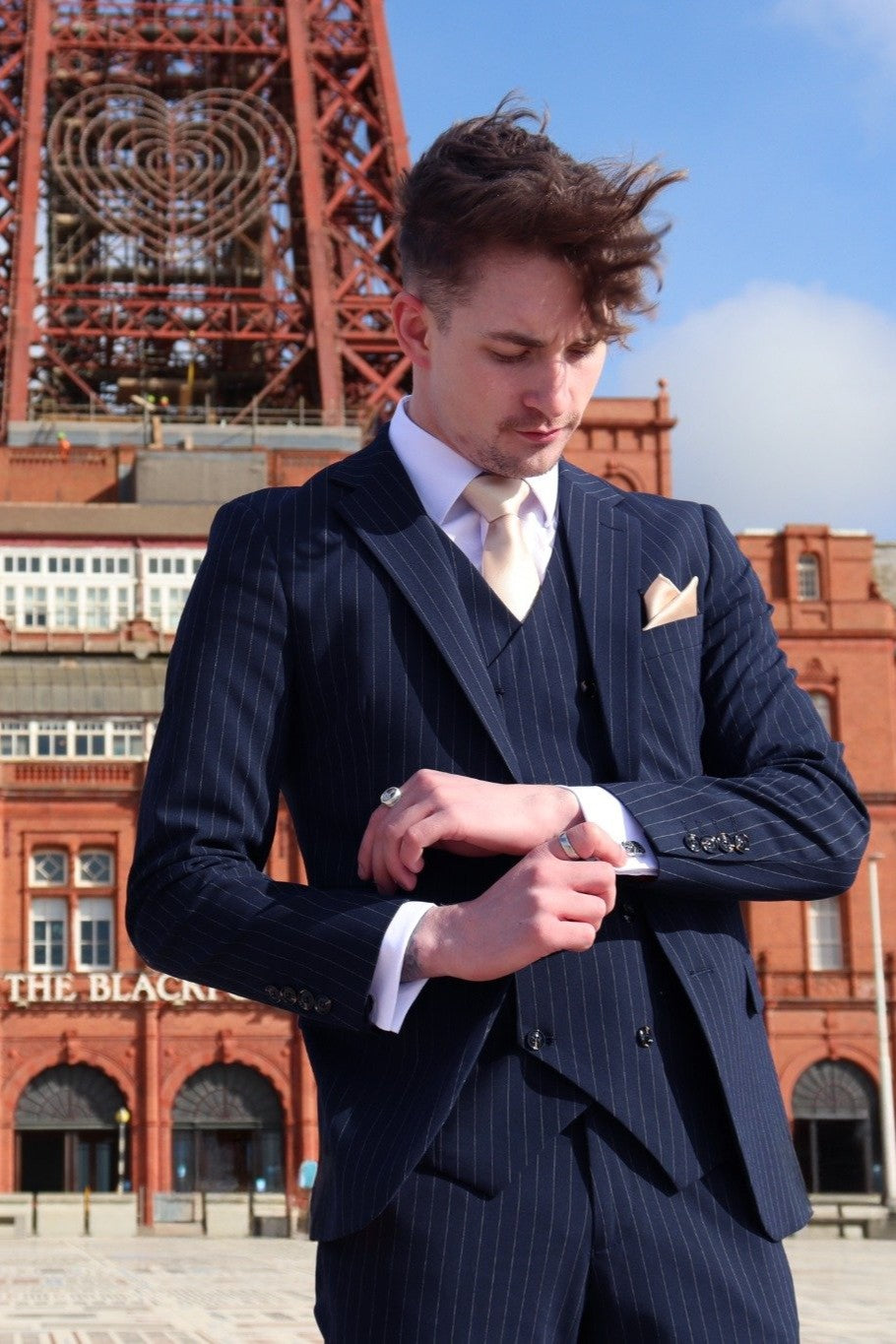
Dark tailoring doesn't have to mean choosing the same suit every time. These three SUITBAE three-piece options offer different approaches to a restrained look, from straightforward black tailoring to navy pinstripe and versatile charcoal.



7. Dressing for Court, Press and Important Meetings
Not every high-stakes situation has the same expectations. A courtroom, a press-facing appearance and an important business meeting can each call for a slightly different approach. The common thread is to dress respectfully, understand the setting and avoid anything that feels distracting.
For court appearances: choose conservative, comfortable clothing and follow any guidance provided by the court or your legal representative. A dark suit, plain shirt and restrained tie are a sensible starting point where a suit is appropriate. Avoid assuming that every court or hearing has identical expectations; check any specific instructions in advance.
For press appearances: consider how your outfit may look under bright lights and in photographs. Plain, darker colours are often easier to wear on camera than busy patterns or highly reflective fabrics. Keep accessories discreet and make sure your shirt and jacket are tidy. If the appearance is connected to a formal organisation or event, follow its dress guidance.
For important professional meetings: let the organisation, industry and purpose of the meeting guide your choice. A dark two-piece or three-piece suit can provide a smart foundation. Keep the shirt and tie coordinated, and choose footwear that looks polished without feeling unfamiliar or uncomfortable.
In every situation, preparation matters. Check where you're going, how long you may be there and whether you'll be sitting, standing or speaking for extended periods. Your outfit should work for the practical demands of the day as well as the formality of the setting.
8. What to Avoid When Dressing for a Serious Occasion
When the occasion is important, it's easy to overthink your outfit. You might feel tempted to add extra accessories, choose something more fashionable or wear a suit that makes a stronger statement. Usually, keeping things simple is the better approach.
There are a few things worth avoiding:
- Bright or distracting colours: unless the event specifically calls for them, keep the main outfit in a restrained colour palette.
- Large patterns: bold checks and noticeable prints can draw attention away from the overall appearance.
- Overly casual footwear: trainers and worn shoes can undermine an otherwise formal outfit.
- Too many accessories: several statement pieces can make the outfit feel unnecessarily busy.
- Uncomfortable tailoring: avoid a suit that pulls when you sit down or needs constant adjustment.
- Creased or poorly presented clothing: give yourself time to press the shirt and suit and clean your shoes.
- Last-minute experimentation: wear a combination you've tried on before rather than introducing unfamiliar pieces on the day.
Above all, don't confuse formality with excess. A simple outfit that fits comfortably and looks well presented is often more appropriate than one with too many details.
9. Prepare Your Outfit Before the Day
One of the easiest ways to feel more settled before an important occasion is to prepare your clothing in advance. Rather than making decisions on the morning, put the complete outfit together beforehand and check that everything is ready.
Try the full combination on, including the shoes and accessories. Sit down, stand up and move around to make sure nothing feels restrictive. Check that the shirt is clean, the suit is pressed and the shoes are ready to wear.
If your suit needs a small adjustment, allow enough time to arrange it. Similarly, if you're buying a new suit, check sizing and availability early rather than leaving everything until the last minute.
High-Stakes Appearance Checklist
- Check the dress expectations for the venue or occasion.
- Choose a dark, understated suit in black, navy or charcoal.
- Make sure the jacket, waistcoat and trousers are comfortable.
- Choose a clean, pressed white or pale blue shirt.
- Keep the tie plain or subtly textured.
- Wear clean, polished and appropriate shoes.
- Keep accessories discreet and coordinated.
- Try sitting and moving in the complete outfit before the day.
- Press the suit and shirt and prepare everything in advance.
- Follow any specific instructions from the court, organisation or event host.
Final Thoughts
Dressing for court, press appearances and other high-stakes situations doesn't need to be complicated. The strongest approach is often the simplest: dark, understated tailoring, a clean shirt, a restrained tie and polished shoes.
The Diablo Black, Navy Pinstripe and Vincent Charcoal each offer a different way to approach a smart three-piece outfit. Whether you prefer plain black, a traditional stripe or versatile charcoal, focus on choosing something appropriate for the setting and comfortable enough to wear throughout the day.
Looking prepared starts with getting the practical details right. Give yourself time to choose your suit, check the fit and put the complete outfit together. Explore the SUITBAE three-piece suit collection to find understated tailoring for your next important occasion.
High-Stakes Suiting FAQs
What colour suit is best for a court appearance?
Dark, understated colours such as navy, charcoal and black are sensible options when a suit is appropriate. Choose a clean, simple combination and check any specific guidance provided by the court or your legal representative.
Should I wear a three-piece suit to court?
A three-piece suit can create a smart, coordinated appearance, but it isn't automatically required. The expectations can vary depending on the court, hearing and circumstances. Follow any instructions you've been given and choose clothing that is comfortable and appropriate.
Is a black suit better than a navy suit for formal occasions?
Neither is automatically better. Black offers a particularly formal, straightforward look, while navy is a versatile traditional option. Both can work well with a white shirt, a restrained tie and polished shoes.
Can I wear a pinstripe suit to an important meeting?
Yes, provided the pattern is appropriate for the setting. A traditional navy pinstripe can look smart and professional. Keep the shirt and tie simple so the overall combination remains balanced.
What shirt should I wear with a dark three-piece suit?
A crisp white shirt is the most straightforward option with black, navy and charcoal tailoring. Pale blue can also work well, particularly with navy and charcoal. Choose a clean, well-pressed shirt with a collar that sits neatly.
Should I wear a tie for a press appearance?
It depends on the nature of the appearance and the organisation involved. For a formal press conference or official statement, a restrained tie can help create a smart, traditional outfit. Follow any event or organisational dress guidance.
What shoes should I wear with a charcoal or navy suit?
Black leather shoes are a reliable option with both charcoal and navy suits. Choose a clean, polished style that suits the formality of the occasion and make sure your footwear is comfortable enough for the day.
Can accessories make a formal suit look too casual?
They can change the overall feel of an outfit. Bright pocket squares, novelty ties and oversized accessories may look out of place in a serious setting. Keep details simple and coordinated for a more understated appearance.
How should a suit fit if I'll be sitting for long periods?
It should feel comfortable across the shoulders, chest, waist and thighs, without pulling or restricting movement. Try sitting down in the complete outfit before the occasion to check that the jacket and trousers remain comfortable.
Does wearing a suit affect the outcome of a court case?
No outfit can determine a legal outcome. Clothing is simply one practical consideration when preparing for an appearance. Follow the court's instructions, take advice from your legal representative and focus on the important matters relating to your case.