
How We Test Suits Before Selling Them | A SUITBAE Guide
How We Test Suits Before Selling Them | A SUITBAE Guide
Every suit in a SUITBAE showroom has already been tested.
Not on mannequins. Not on models. Not in a photoshoot.
But on real people, with real bodies, wearing them for real occasions.
This guide explains exactly how we test suits before they ever reach the shop floor — and why that process matters more than trends, branding, or marketing claims.
We Start With Real Fittings, Not Samples
A suit that only looks good on a size 38 model is not a good suit.
Every style we stock is tested across different body types, heights, and proportions.
If a suit only works for one shape, it doesn’t make the cut.
Movement Is Non-Negotiable
Suits are worn for long days — not just photos.
We test how each suit behaves when:
- sitting and standing repeatedly
- walking and moving naturally
- wearing the jacket open for extended periods
If a suit pulls, twists, rides up, or constantly needs adjusting, it fails.
All-Day Wear Matters
Some suits look sharp for ten minutes.
We’re not interested in those.
A SUITBAE suit has to feel comfortable hours later — after food, movement, photos, and heat.
If someone can’t relax in it, we won’t sell it.
We Check How Suits Photograph
Photos are where most regret shows up.
We test how suits read:
- in natural daylight
- under indoor lighting
- in group shots and close-ups
If a colour washes out, a pattern overwhelms, or a cut looks flat on camera, it doesn’t stay.
Three-Piece Behaviour Is Tested Properly
Most jackets come off during events.
That means the waistcoat has to work — not just exist.
We test:
- how the waistcoat sits when worn alone
- whether it holds structure through the torso
- how it looks in photos without the jacket
If a three-piece only works fully buttoned, it doesn’t pass.
If It Causes Doubt, It Fails
This is the simplest test.
If someone keeps adjusting, checking, or questioning how they look — something’s wrong.
The right suit disappears once it’s on.
That’s the standard.
Suits That Passed Our Testing Process
These are examples of suits that consistently perform across fittings, movement, and real events.
Lawrence Navy Three-Piece Suit
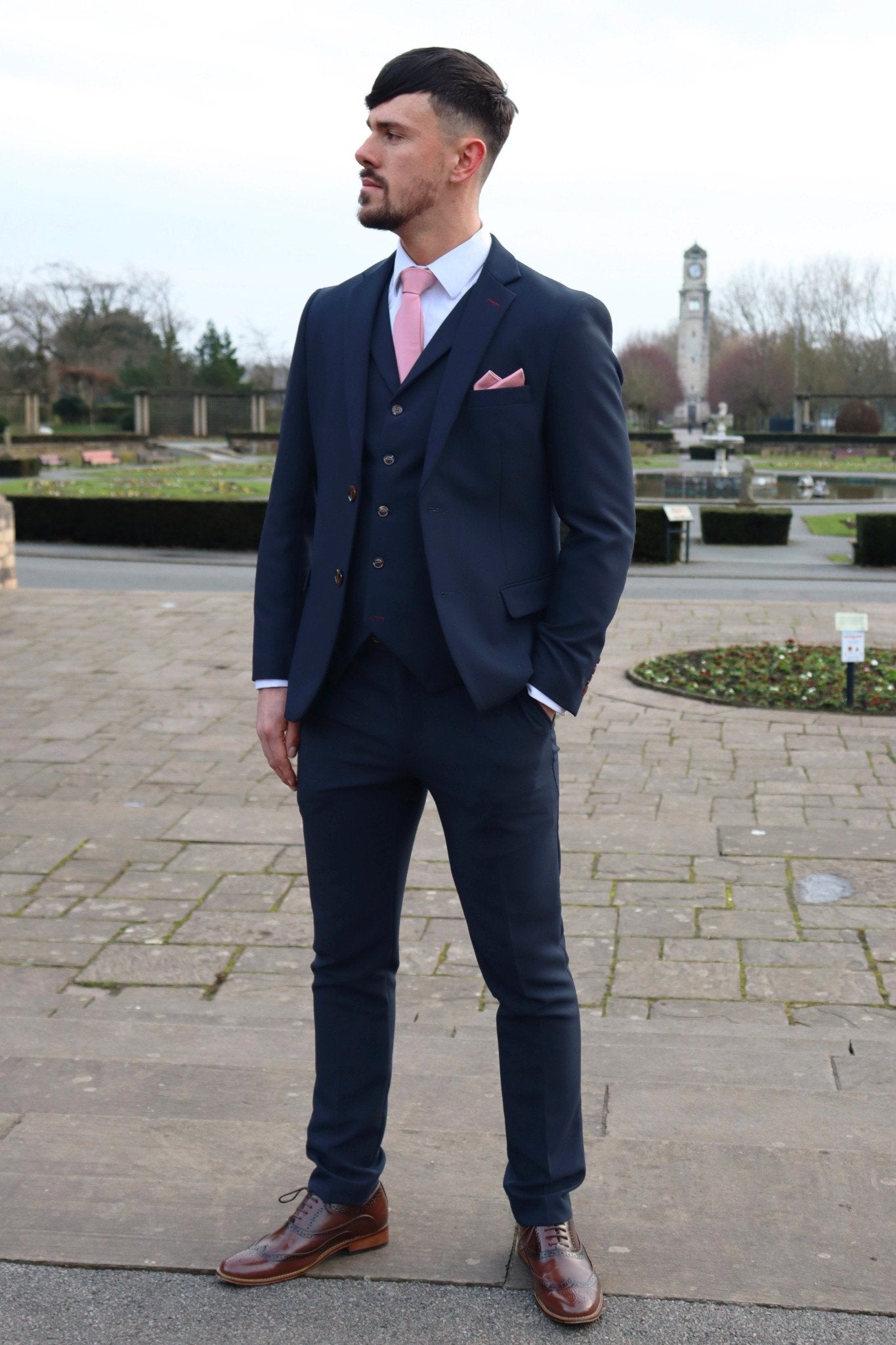
A benchmark suit. Balanced structure, reliable comfort, and clean proportions across body types.
Escobar Stone Textured Three-Piece Suit
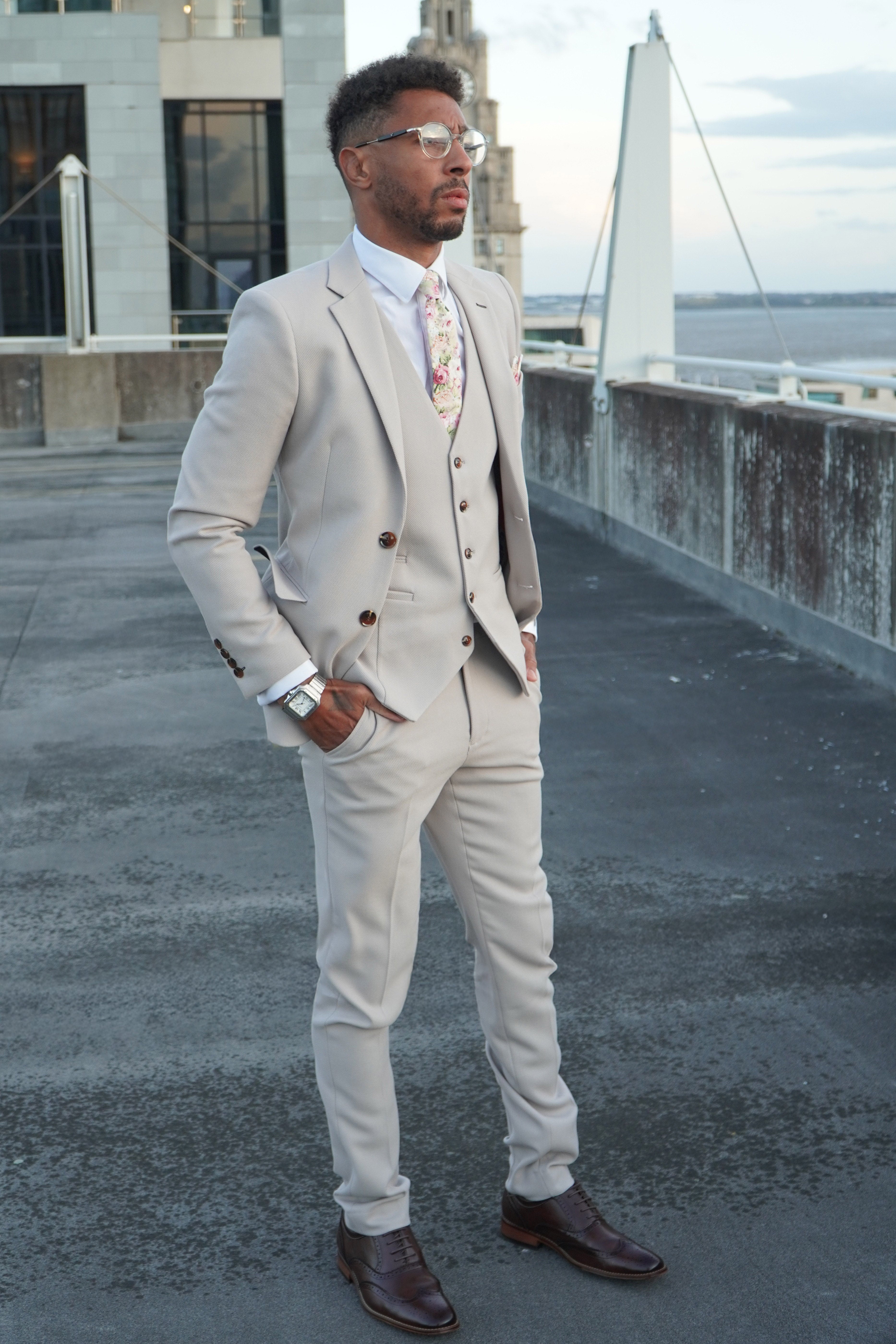
Texture adds depth without noise. Performs especially well in daylight and group photography.
Diablo Black Three-Piece Suit
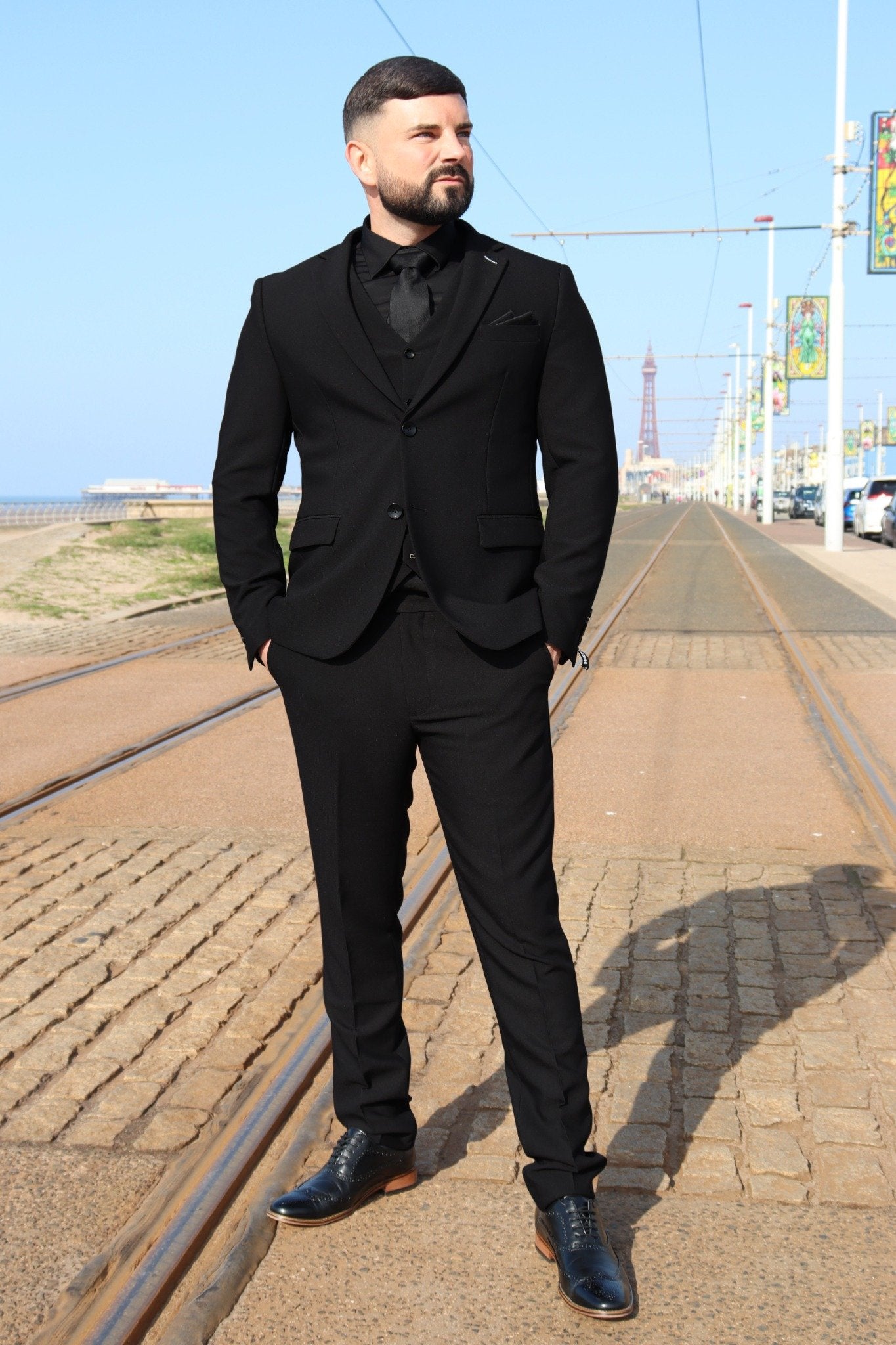
When formality matters most, this suit removes uncertainty entirely.
FAQ: How SUITBAE Tests Suits
Do all suits go through this process?
Yes. If a suit hasn’t passed real fitting and wear testing, it isn’t stocked.
Why test on real people?
Because real bodies move, sit, and wear suits differently than samples or mannequins.
Why is photography part of testing?
Because most regret appears later, when people see photos.
Why focus so much on three-piece suits?
Because jackets come off. Waistcoats have to stand on their own.
What makes a suit fail?
Discomfort, poor movement, weak structure, or visible doubt from the wearer.
We don’t test suits to follow trends.
We test them to make sure they actually work.
That’s why customers trust what’s on our rails.
SUITBAE — Made for the moments that matter.